
 EN
EN


Understanding the Strategic Value of DDP in International Trade
In the complex world of international trade, choosing the right Incoterms can significantly impact a company's operational efficiency and bottom line. Delivered Duty Paid (DDP) stands out as one of the most comprehensive shipping arrangements available to businesses today. Under DDP incoterms, the seller assumes complete responsibility for delivering goods to the agreed destination, including all costs, risks, and customs duties.
The decision to utilize DDP incoterms represents a strategic choice that can streamline international transactions and enhance customer satisfaction. However, it's crucial to understand when this option proves most beneficial and how it compares to alternative shipping terms. Let's explore the various scenarios and considerations that make DDP an optimal choice for international trade operations.
Key Benefits of DDP for International Business Operations
Enhanced Customer Experience and Satisfaction
One of the primary advantages of choosing DDP incoterms lies in the superior customer experience it delivers. By handling all shipping responsibilities and costs, sellers eliminate potential complications and uncertainties for their buyers. This comprehensive service approach often results in higher customer satisfaction rates and stronger business relationships.
When sellers manage the entire shipping process under DDP incoterms, buyers can focus on their core business activities without worrying about complex customs procedures or unexpected costs. This simplified experience often translates into increased customer loyalty and repeat business opportunities.
Streamlined Supply Chain Management
DDP incoterms provide sellers with complete control over the supply chain, enabling more efficient management and coordination of shipments. This level of control allows businesses to optimize their logistics operations, potentially reducing overall shipping times and costs through economies of scale.
By maintaining oversight of the entire shipping process, companies can better track shipments, address potential issues proactively, and ensure consistent delivery standards across different markets. This comprehensive management approach often results in more reliable and predictable shipping operations.
Optimal Scenarios for Implementing DDP
Expanding into New Markets
When businesses seek to enter new international markets, DDP incoterms can serve as a powerful tool for market penetration. By removing the burden of shipping logistics from potential customers, companies can more easily attract and retain clients in unfamiliar territories. This approach proves particularly effective when targeting markets with complex customs procedures or where buyers may have limited experience with international trade.
Furthermore, utilizing DDP incoterms allows businesses to maintain consistent pricing across different markets, as they can absorb and standardize shipping and customs costs. This transparency can significantly enhance their competitive position in new markets.
High-Value or Sensitive Shipments
For shipments involving high-value goods or sensitive materials, DDP incoterms offer an additional layer of security and control. When sellers maintain responsibility throughout the entire shipping process, they can implement specific handling procedures and select trusted shipping partners to ensure proper care of valuable cargo.
This level of control becomes particularly important when dealing with products that require special handling, temperature control, or specific customs documentation. By managing these requirements directly, sellers can minimize the risk of damage or delays that might occur with other Incoterms arrangements.
Financial Implications of DDP Implementation
Cost Structure and Pricing Strategies
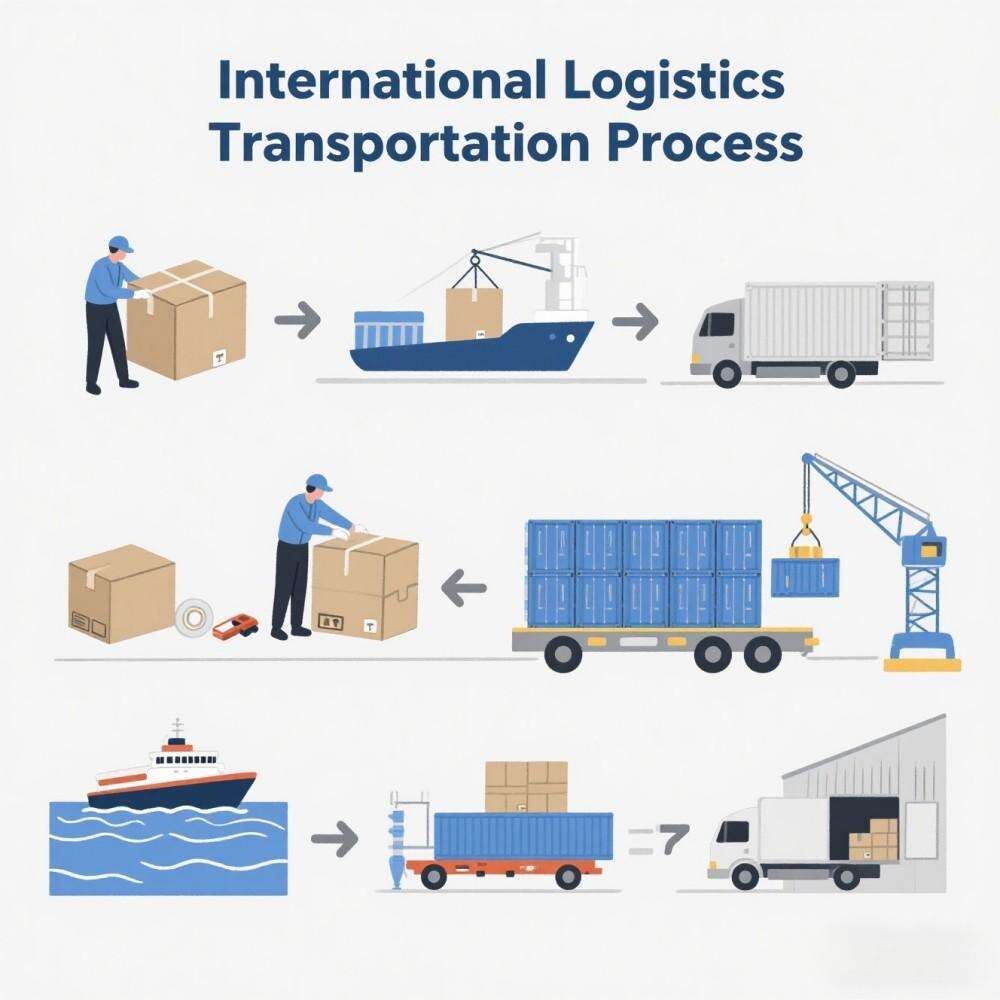
Implementing DDP incoterms requires careful consideration of various cost elements, including shipping, insurance, customs duties, and local taxes. Successful businesses typically develop comprehensive pricing strategies that account for these expenses while maintaining competitive market positions.
While DDP incoterms may initially appear more expensive due to the seller assuming all costs, the ability to consolidate and optimize shipping operations often leads to long-term cost efficiencies. Companies can leverage their shipping volume to negotiate better rates with carriers and customs brokers, potentially offsetting the additional responsibilities.
Risk Management and Insurance Considerations
Under DDP incoterms, sellers must carefully evaluate and manage various risks associated with international shipping. This includes securing appropriate insurance coverage, understanding local regulations, and developing contingency plans for potential shipping disruptions.
Successful implementation of DDP requires robust risk assessment procedures and comprehensive insurance policies that protect against potential losses during transit. Companies should also maintain strong relationships with reliable shipping partners and customs brokers to minimize operational risks.
Frequently Asked Questions
What distinguishes DDP from other Incoterms?
DDP incoterms represent the maximum obligation for sellers, as they assume responsibility for all aspects of shipping, including customs clearance and duty payment. This differs from other Incoterms where responsibilities may be shared between buyer and seller or transfer at various points during transit.
How do customs regulations affect DDP shipments?
Under DDP incoterms, sellers must navigate customs regulations in both origin and destination countries. This includes obtaining necessary permits, paying duties and taxes, and ensuring compliance with local import requirements. Success requires thorough knowledge of international trade regulations and strong relationships with customs brokers.
What factors should businesses consider before choosing DDP?
Key considerations include market knowledge, shipping volume, local regulations, cost structure, and operational capabilities. Businesses should evaluate their expertise in handling international shipments, financial capacity to assume all costs, and ability to manage customs clearance effectively in destination countries.