
 EN
EN



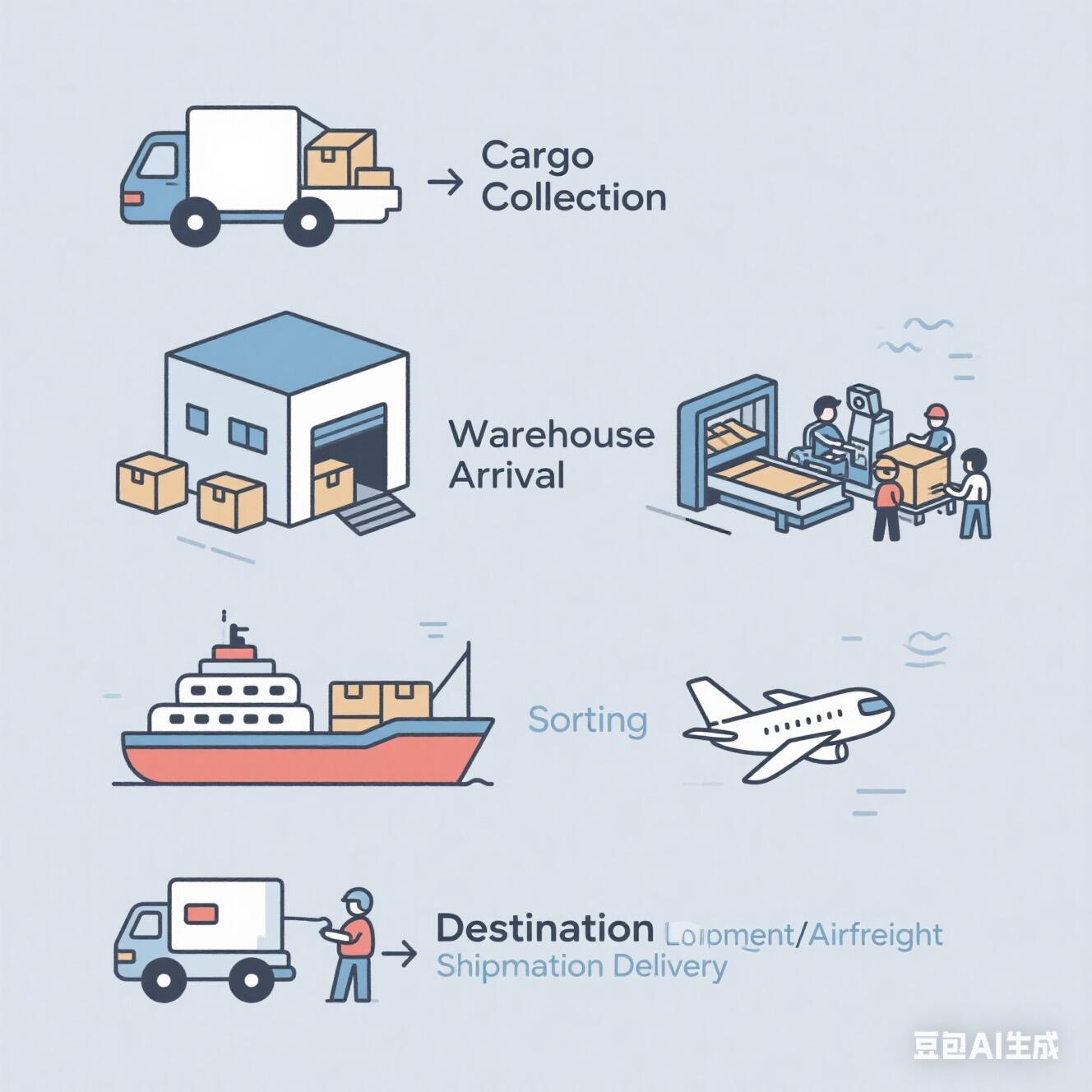
Understanding the Fundamentals of DDU International Shipping
International shipping comes with various complexities, and choosing the right shipping terms can significantly impact both the sender and recipient. DDU shipping, or Delivered Duty Unpaid, represents a specific type of international shipping arrangement where the seller handles the transportation costs up to the destination country, while the buyer assumes responsibility for import duties, taxes, and customs clearance fees. This shipping method has distinct advantages and considerations that businesses need to carefully evaluate.
In today's global marketplace, understanding DDU shipping has become increasingly important as businesses expand their international reach. The choice between DDU and other shipping terms can affect everything from customer satisfaction to profit margins. Let's explore when DDU shipping makes the most sense and how to implement it effectively in your international shipping strategy.

Key Benefits of DDU Shipping Arrangements
Cost Control and Transparency
One of the primary advantages of DDU shipping lies in its clear delineation of costs. Sellers can precisely calculate their shipping expenses without worrying about variable customs charges in different countries. This predictability allows for more accurate pricing strategies and helps maintain consistent profit margins across international sales. Businesses can confidently quote shipping costs to their customers without the risk of unexpected charges eating into their profits.
The transparency aspect of DDU shipping also helps build trust with international customers. When buyers know upfront that they're responsible for duties and taxes, there's less likelihood of disputes or misunderstandings about additional charges. This clarity in cost distribution can lead to stronger, more sustainable business relationships.
Simplified Logistics Management
DDU shipping streamlines the logistics process for sellers by limiting their responsibilities to transportation costs. This simplification can be particularly beneficial for businesses new to international shipping or those operating with limited resources. Rather than navigating the complex customs requirements of multiple countries, sellers can focus on efficient product delivery to the destination country.
The reduced administrative burden also translates to faster processing times and fewer delays in the shipping pipeline. Without the need to calculate and pre-pay customs duties, sellers can expedite their shipping procedures and maintain more efficient operations overall.
Strategic Scenarios for Implementing DDU Shipping
Market Entry and Testing
When entering new international markets, DDU shipping offers a practical way to test the waters without overcommitting resources. This approach allows businesses to gauge market response and establish a presence while minimizing their initial investment and risk exposure. By letting customers handle customs clearance, companies can better understand local market dynamics and regulatory requirements before considering more comprehensive shipping solutions.
This strategy proves particularly effective when dealing with markets that have complex or frequently changing import regulations. It provides flexibility to adapt your approach based on real-world experience and customer feedback, rather than trying to navigate unfamiliar customs procedures from the outset.
Business-to-Business Transactions
DDU shipping often proves ideal for B2B transactions where the receiving business has established customs brokers and clearance procedures. Many commercial buyers prefer handling their own customs clearance to maintain control over the import process and potentially benefit from special tax treatments or import privileges. This arrangement can lead to more efficient processing and potentially lower overall costs for both parties.
For sellers, working with business customers who have experience in international trade reduces the risk of customs-related delays or complications. These buyers typically understand their local import requirements and can manage the clearance process more effectively than the seller could from abroad.
Operational Considerations and Best Practices
Documentation Requirements
Successful DDU shipping relies heavily on proper documentation. Sellers must prepare accurate commercial invoices, packing lists, and shipping declarations to facilitate smooth customs processing. While the buyer handles customs clearance, providing complete and accurate documentation helps prevent delays and ensures compliance with international shipping regulations.
It's essential to maintain detailed records of all shipments and related communications with buyers. This documentation serves as protection for both parties and helps resolve any disputes that might arise during the shipping process. Clear communication about shipping terms and responsibilities should be established in writing before initiating any DDU shipments.
Risk Management Strategies
While DDU shipping transfers certain responsibilities to the buyer, sellers should still implement robust risk management practices. This includes selecting reliable shipping partners, obtaining appropriate insurance coverage, and establishing clear procedures for handling potential shipping issues. Understanding the specific risks associated with different destinations and implementing appropriate mitigation measures helps protect both the business and its customers.
Regular review and updates of shipping policies ensure continued alignment with changing international regulations and market conditions. Developing contingency plans for common shipping challenges helps maintain service quality and customer satisfaction even when problems arise.
Frequently Asked Questions
What exactly does DDU shipping include?
DDU shipping includes transportation costs from the origin to the destination country, but excludes duties, taxes, and customs clearance fees. The seller is responsible for getting the goods to the destination country, while the buyer handles all import-related charges and procedures.
How does DDU differ from DDP shipping?
Unlike DDU shipping, DDP (Delivered Duty Paid) means the seller assumes responsibility for all costs, including duties, taxes, and customs clearance. DDP represents a complete door-to-door service, while DDU transfers the customs-related responsibilities to the buyer.
Can DDU shipping save money for my business?
DDU shipping can potentially reduce costs by eliminating the need to pre-calculate and pay customs duties and taxes. However, the actual savings depend on various factors, including the destination country, shipment value, and the efficiency of the buyer's customs clearance process. It's important to analyze these factors for your specific business case.
What are the main risks of DDU shipping?
The primary risks include potential customs clearance delays if the buyer is inexperienced, possible miscommunication about responsibilities, and the chance of goods being held at customs if the buyer fails to complete the necessary procedures promptly. Clear communication and documentation can help mitigate these risks.