
 EN
EN




Understanding the Full Scope of Delivered Duty Paid Shipping
DDP shipping represents one of the most comprehensive international shipping arrangements available in global trade today. Under this Incoterm, the seller assumes virtually all responsibilities and risks associated with delivering goods to an agreed destination in the buyer's country. This includes handling everything from export and import clearance to paying duties, taxes, and transportation costs. For businesses engaging in international trade, understanding these responsibilities is crucial for smooth operations and cost management.
The complexity of DDP shipping stems from its all-encompassing nature, requiring sellers to navigate multiple jurisdictions, comply with various regulations, and manage extensive documentation. This comprehensive approach offers significant advantages for buyers but places substantial obligations on sellers who must carefully consider their capabilities before agreeing to these terms.
Essential Documentation and Compliance Requirements
Export Documentation Management
When engaging in DDP shipping, sellers must prepare and maintain extensive export documentation. This includes commercial invoices, packing lists, certificates of origin, and export licenses where applicable. The accuracy and completeness of these documents are crucial as they facilitate smooth customs clearance and prevent delays in the shipping process.
Furthermore, sellers need to ensure compliance with export regulations in their home country while simultaneously meeting the import requirements of the destination country. This dual compliance responsibility requires thorough knowledge of international trade regulations and careful attention to detail in document preparation.
Import Clearance Procedures
One of the most challenging aspects of DDP shipping involves managing import clearance procedures in the destination country. Sellers must arrange for customs clearance, submit all required documentation, and ensure compliance with local import regulations. This includes understanding and adhering to specific product requirements, safety standards, and labeling regulations that may vary significantly between different countries.
The responsibility also extends to maintaining relationships with customs brokers or agents in the destination country who can facilitate smooth clearance processes. These professionals play a crucial role in navigating local customs procedures and ensuring compliance with all relevant regulations.
Financial Obligations and Risk Management
Duty and Tax Responsibilities
Under DDP shipping terms, sellers bear the financial burden of all duties, taxes, and customs charges. This includes import duties, value-added tax (VAT), customs processing fees, and any other government-imposed charges. Accurate calculation and timely payment of these fees are essential to prevent delays and additional costs.
To effectively manage these financial obligations, sellers must maintain detailed knowledge of tax rates and duty structures in destination countries. This requires regular updates on changing regulations and careful consideration of these costs when pricing goods for international sales.
Insurance and Liability Coverage
Risk management is a critical component of DDP shipping responsibilities. Sellers must arrange comprehensive insurance coverage that protects the goods throughout the entire journey, from departure point to final destination. This includes coverage for potential damages, losses, or delays that might occur during transit.
Additionally, sellers should consider supplementary insurance options to protect against specific risks associated with their product type or shipping route. This might include coverage for temperature-sensitive goods, fragile items, or high-value merchandise requiring special handling.
Transportation and Logistics Management
Carrier Selection and Route Planning
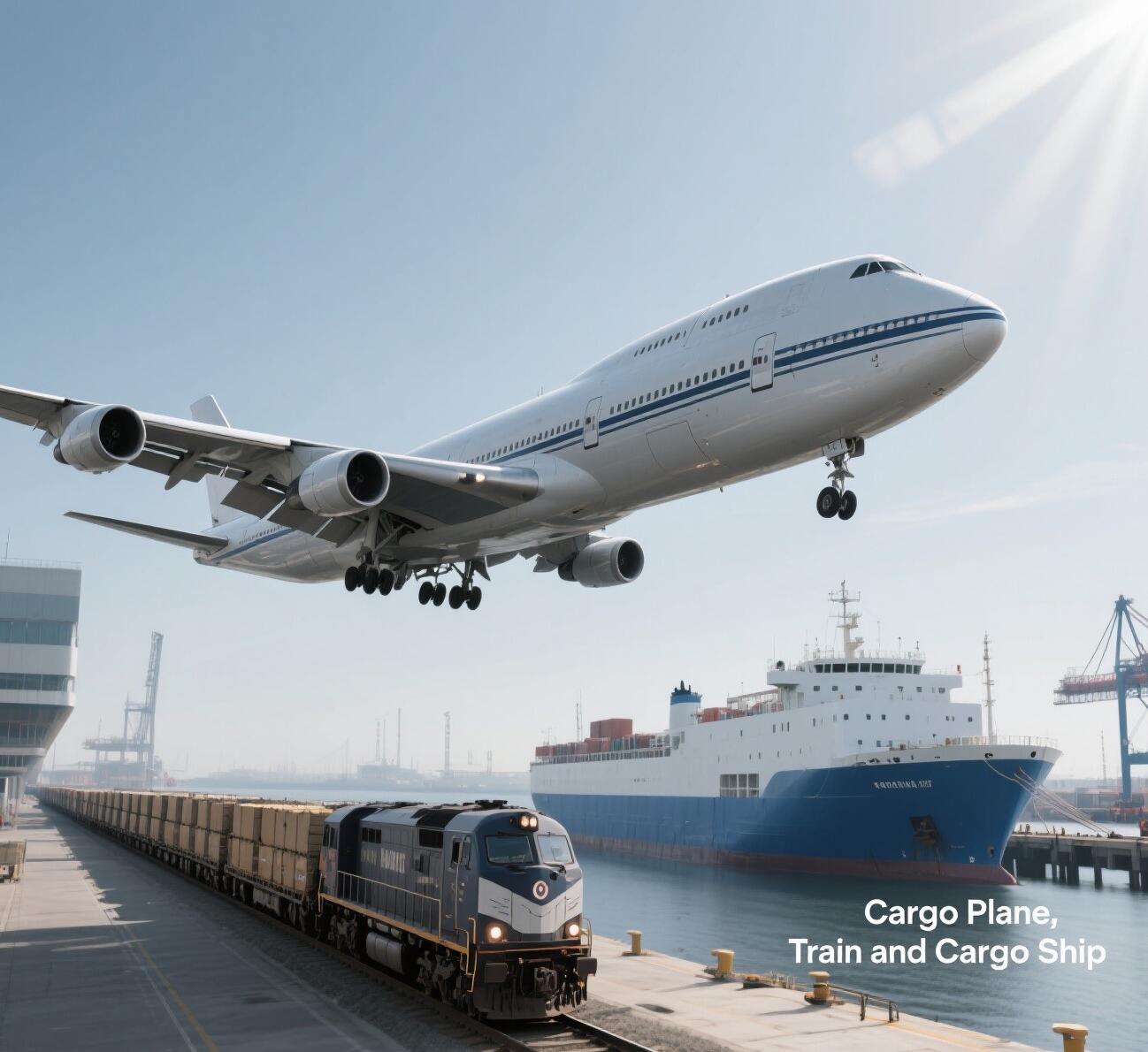
The seller's responsibilities in DDP shipping include carefully selecting appropriate carriers and planning optimal shipping routes. This involves evaluating different transportation options, comparing costs and transit times, and ensuring carriers have the necessary capabilities to handle specific cargo requirements.
Effective route planning requires consideration of factors such as weather conditions, political stability in transit countries, and potential bottlenecks at various ports or border crossings. Sellers must also maintain contingency plans for unexpected disruptions to ensure reliable delivery timelines.
Last-Mile Delivery Coordination
One of the most critical aspects of DDP shipping is managing the final delivery to the buyer's specified location. This includes coordinating with local delivery services, arranging for any special equipment needed for unloading, and ensuring proper handling of goods during the final stage of transport.
Sellers must also consider potential challenges in the delivery area, such as access restrictions, delivery time windows, and specific handling requirements at the destination. Clear communication with both the carrier and the recipient is essential for successful last-mile delivery.
Communication and Customer Service
Tracking and Status Updates
Modern DDP shipping requires robust tracking and communication systems to keep buyers informed about their shipment's status. Sellers must implement reliable tracking mechanisms and provide regular updates throughout the shipping process, from pickup to final delivery.
This includes setting up systems for real-time tracking, establishing clear communication channels for queries or concerns, and maintaining detailed records of all shipping milestones. Regular status updates help build trust and ensure transparency in the shipping process.
Issue Resolution and Support
Sellers must maintain dedicated support systems for addressing any issues that arise during the shipping process. This includes having procedures in place for handling delays, damages, or other complications that might occur during transit.
Effective issue resolution requires prompt response times, clear escalation procedures, and the ability to coordinate with various stakeholders including carriers, customs agents, and local authorities when necessary.
Frequently Asked Questions
What costs are included in DDP shipping terms?
DDP shipping includes all costs associated with delivering goods to the specified destination, including transportation, insurance, export and import duties, taxes, and customs clearance fees. The seller is responsible for all expenses until the goods reach the agreed-upon delivery location.
How does DDP shipping differ from other Incoterms?
DDP shipping represents the maximum obligation for sellers compared to other Incoterms. Unlike terms such as EXW or FOB, where responsibilities are shared or limited, DDP requires the seller to handle all aspects of shipping, including customs clearance and duty payment in the destination country.
Can DDP shipping be used for all international destinations?
While DDP shipping can theoretically be used for most international destinations, practical limitations may exist based on specific country regulations, trade restrictions, or the seller's ability to handle customs clearance in certain regions. It's essential to verify the feasibility of DDP shipping for each specific destination.